Volunteering After the Camera Leaves
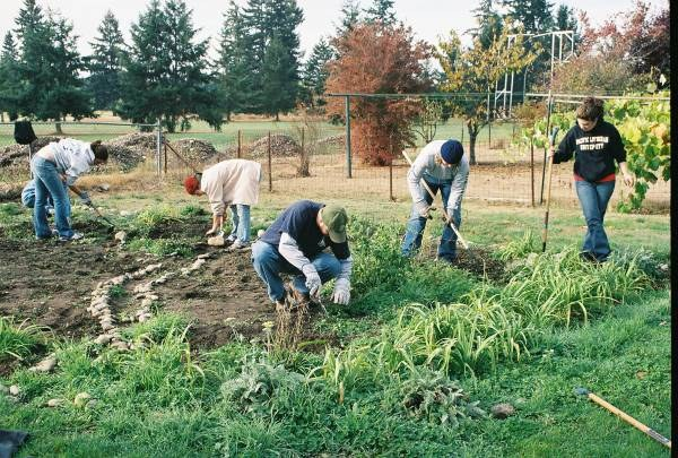
Volunteer work is often photographed at its brightest moment. Students stand beside donated goods, painted walls, or smiling children. The picture can be sincere, but it can also make service look simpler than it is.
Real service begins when the camera leaves. It means asking whether the project was useful, whether the community wanted it, and whether the volunteers learned to listen instead of simply arriving with answers.
This does not mean students should avoid service. On the contrary, schools should encourage young people to leave their familiar circles and work on problems that matter. But good service requires humility, follow-up, and respect for local knowledge.
The best volunteer projects do not make students feel like heroes for one afternoon. They make students more responsible over time. They teach that helping is not a performance of kindness, but a relationship that must be maintained.